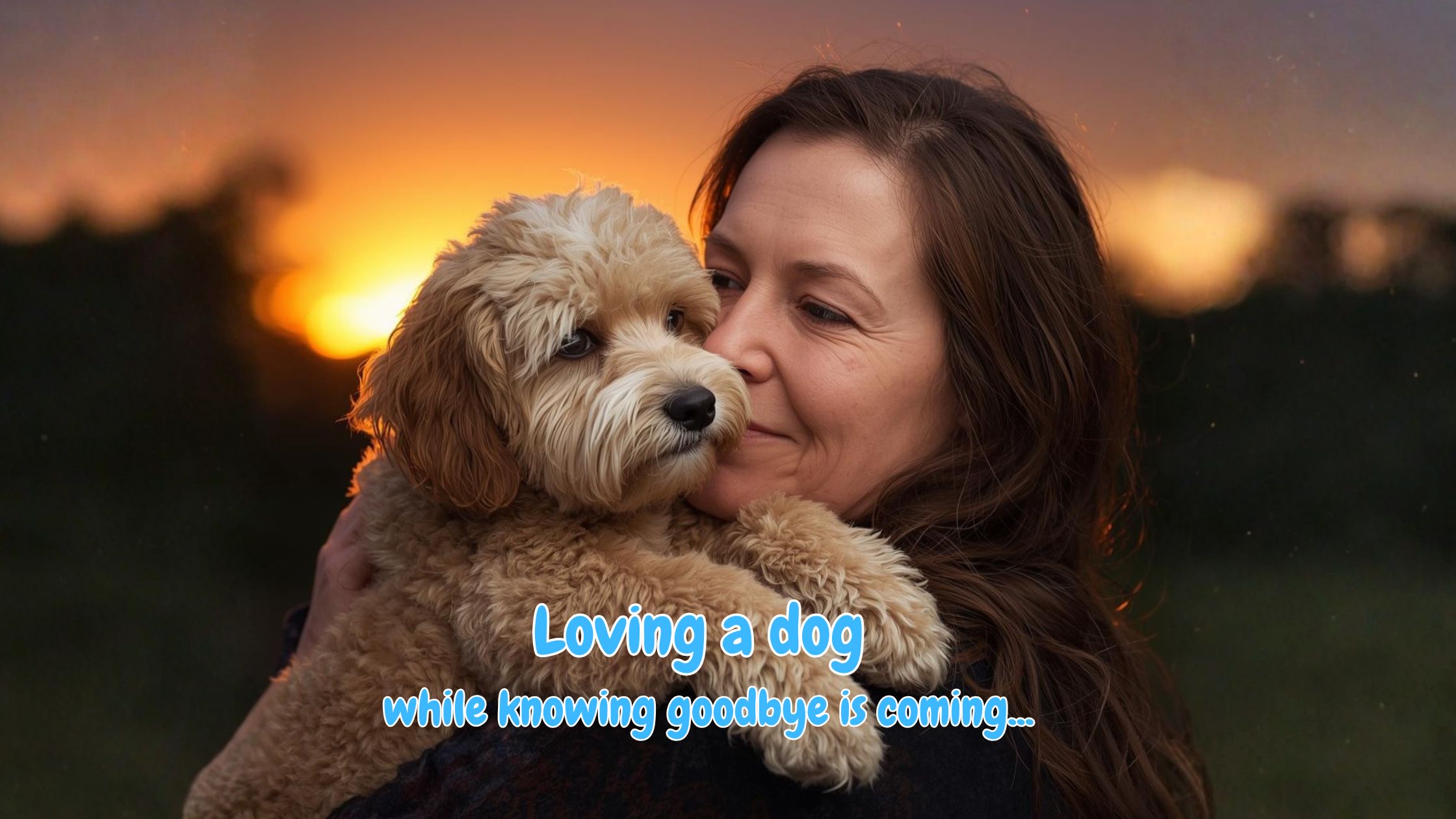
Anticipatory Grief: Loving a Dog While Knowing Goodbye Is Coming
If you’ve ever loved a dog deeply, you’ll know that they’re never just a pet. They’re family. They’re part of the daily rhythm of your life. The quiet companion who follows you from room to room, the one who knows when you’re sad, the one who celebrates every time you walk through the door.
And when they get older, or become unwell, something shifts. You start to realise that time with them isn’t endless. This is where anticipatory grief begins.
Anticipatory grief is the emotional experience of grieving a loss before it actually happens. It often occurs when you know your dog is ageing, slowing down, or facing a serious illness. You’re still caring for them, still loving them, still sharing moments together — but there’s a quiet awareness in the background that goodbye is somewhere ahead.
I am going through this with Latte in particular. Her sister Tia passed away unexpectedly when we were travelling overseas and I worry every day about Latte as I cannot handle going through the same thing again. She is now 16.5 and your head and your heart can have competing battles over what is common sense and what you’d prefer the reality to be.
For many dog parents, this can feel confusing. I know I feel sadness, guilt, anxiety, or even moments of grief while your dog is still right beside you. It can feel strange to mourn someone who is still here.
But it’s actually a very normal and very human response to loving deeply.
And this is something I understand personally. When you share your life with dogs especially senior dogs you become very aware of how precious the everyday moments are. The slower walks., the longer naps in the sun, the way they still wag their tail when you say their name.
Those small moments suddenly feel bigger.
Many people going through anticipatory grief also feel a sense of guilt. You might wonder if you’re doing enough, if you’re noticing changes soon enough, or if you’re somehow “giving up” by thinking about the future.
But anticipatory grief isn’t about giving up. It’s about love preparing itself.
Ways to Cope With Anticipatory Grief
While there’s no perfect way to navigate this emotional time, there are a few things that can help.
Focus on the present moments.
It’s easy for the mind to jump ahead to the future, but your dog is still here now. Spend time doing the things they love — quiet cuddles, short walks, sitting in the sun, or simply being together.
Create memories intentionally.
Take photos. Record the little habits that make them unique. Write down funny stories or favourite moments. These memories become incredibly valuable later.
Talk about how you’re feeling.
Anticipatory grief can feel isolating, but many dog owners experience it. Talking with friends, family, or other dog lovers who understand can help lighten the emotional load.
Adjust care as their needs change.
Older dogs often need slower routines, softer bedding, dietary changes, or more frequent vet visits. Supporting them through these stages can also help you feel more connected and purposeful in their care.
Allow yourself to feel both joy and sadness.
You can feel grateful for the time you still have while also feeling the sadness of what’s coming. Those emotions can exist side by side.
The Quiet Gift of Loving a Dog
Dogs teach us many things – loyalty, joy, patience, and unconditional love. But one of the most profound lessons they give us is how to love fully, even when we know it won’t last forever.
Anticipatory grief is simply the heart recognising that something precious is slowly changing. And while it can be painful, it’s also a reminder of how deeply our dogs have shaped our lives.
If you’re walking this path right now, know that you’re not alone. Every cuddle, every quiet moment, every gentle pat matters more than you realise. Your dog may not understand the concept of time. But they understand love.
And that is what they carry with them every single day.