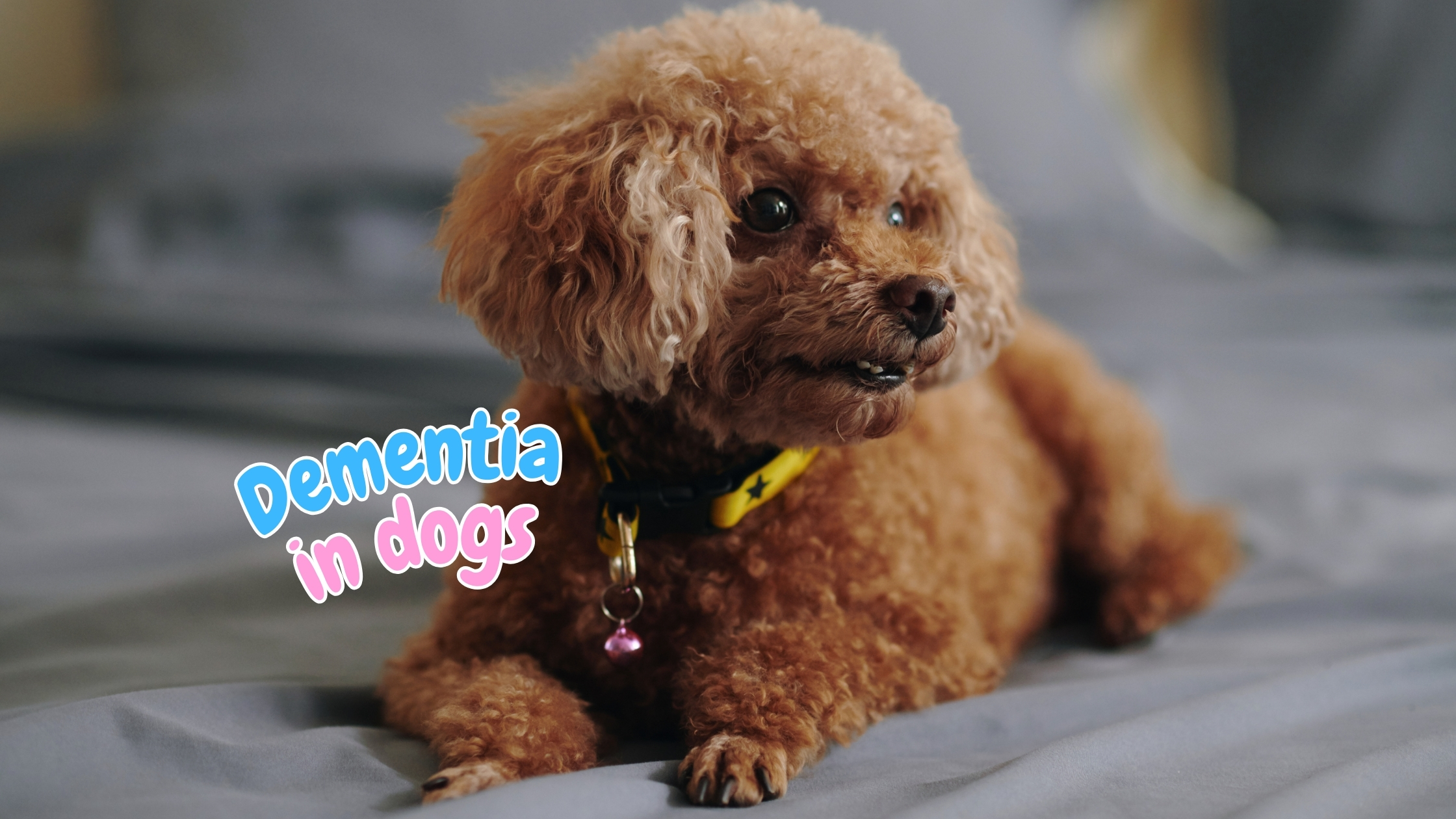
Dog Dementia: Do Dogs Get It? Signs, Diagnosis & What You Can Do
If you’ve ever looked at your senior dog and thought, “That’s not quite like them…” — you’re not imagining it.
Yes, dogs can get dementia. It’s commonly called Canine Cognitive Dysfunction (CCD), and it’s more common than many people realise especially in dogs over the age of 8–10 years.
As our dogs live longer (which is a beautiful thing), we’re also seeing more age-related cognitive changes. The good news? There are things you can do to support them.
We have noticed signs in our beautiful girl Latte which made little sense and realised after consulting with her vet and doing further research that she likely has some doggy dementia. Signs we personally noticed was getting disoriented, staring into space, toileting inside, wandering in circles and pacing at night. All of which are common signs.
We know that we cannot change it however being aware of the symptons and knowing what to look for has made a difference to how we manage her daily life and how we you feel about it emotionally. It is certainly not easy to see them get confused but you will adjust, just like them.
Let’s walk through what you can expect.
What Is Dog Dementia?
Canine Cognitive Dysfunction (CCD) is a degenerative brain condition in ageing dogs. It’s often compared to Alzheimer’s disease in humans because similar changes occur in the brain, including:
- Loss of brain cells
- Build-up of abnormal proteins
- Reduced blood flow to the brain
- Changes in neurotransmitters
It tends to develop gradually, which is why early signs are often missed or attributed to “just getting old.”
Do Dogs Really Get Dementia?
Yes. Studies suggest that:
- Around 14–28% of dogs aged 8+ show some signs of cognitive decline
- The percentage increases significantly in dogs over 15
Small breeds, like oodles, who often live longer may be diagnosed more frequently simply because they reach those older ages.
It’s not a reflection of how well you’ve cared for them. It’s an age-related condition that we cannot control.
What Are the Signs of Dog Dementia?
Veterinarians often use the acronym DISHA to remember the common signs:
- Disorientation
- Getting stuck behind furniture
- Staring at walls
- Appearing lost in familiar spaces
- Not recognising familiar people at times
- Interaction Changes
- Becoming more withdrawn
- Increased clinginess
- Irritability or unexpected behaviour shifts
- Sleep-Wake Cycle Changes
- Restless at night
- Pacing after dark
- Sleeping more during the day
- House Soiling
- Toileting inside despite being previously trained
- Forgetting routines
- Activity Level Changes
- Reduced interest in walks or play
- Repetitive behaviours (pacing, circling)
Some dogs also show:
- Anxiety
- Increased vocalisation (barking, howling at night)
- Reduced response to their name
If several of these appear gradually, it’s worth investigating.
How Is Dog Dementia Diagnosed?
There is no single blood test for CCD. Diagnosis is typically:
- Based on behavioural history — what changes you’ve observed
- Physical examination — to rule out pain, vision or hearing loss
- Blood tests & urinalysis — to exclude metabolic causes (thyroid, kidney disease, etc.)
- In some cases, imaging like MRI
Because many senior conditions can mimic dementia, your vet’s job is often to rule out other causes first.
If no other explanation fits and cognitive decline signs remain, CCD is usually diagnosed.
Could It Be Something Else?
Yes, and this is important. Similar symptoms can be caused by:
- Arthritis pain
- Vision or hearing loss
- Urinary tract infections
- Thyroid disease
- Brain tumours
- Medication side effects
Never assume dementia without veterinary assessment.
What Can You Do If Your Dog Has Dementia?
There is no cure but there is management. Many dogs can maintain a good quality of life for months or years with the right support.
- Veterinary Treatment
Your vet may recommend:
- Cognitive support medications
- Prescription diets designed for brain health
- Supplements containing antioxidants, omega-3s, or SAMe
Medication won’t reverse dementia, but it can slow progression and improve symptoms.
- Keep Routines Consistent
Dogs with CCD thrive on predictability.
- Feed at the same time daily
- Keep walks short but consistent
- Avoid moving furniture around
- Maintain a calm environment
Consistency reduces anxiety.
- Support Their Sleep
Night pacing is common.
Helpful strategies:
- Gentle evening walks
- Calming music
- Night lights to reduce disorientation
- Comfortable, orthopaedic bedding
Sometimes vets prescribe mild sleep support if needed.
- Gentle Mental Stimulation
While intense training may be overwhelming, light cognitive engagement can help:
- Simple scent games
- Food puzzles (easy level)
- Short, positive reinforcement sessions
Keep sessions brief and low stress.
- Make the Home Safer
If disorientation is present:
- Block stairs if needed
- Use baby gates
- Remove sharp obstacles
- Provide non-slip flooring
Senior dogs often have reduced spatial awareness.
- Monitor Quality of Life
Watch for:
- Appetite changes
- Pain signs
- Distress that cannot be soothed
- Loss of joy in daily activities
There may come a time when compassion means making difficult decisions. That’s never easy but it’s part of loving them well.
Can Dog Dementia Be Prevented?
There’s no guaranteed prevention, but lifelong habits help support brain health:
- Balanced diet
- Regular physical exercise
- Mental enrichment
- Maintaining a healthy weight
- Regular vet checks
- Dental care (chronic inflammation affects overall health)
Early detection also makes management more effective.
A Gentle Reminder
Caring for a senior dog with cognitive decline can be emotionally exhausting. I feel it every time I look at Latte and see she is confused. It can be hard but I also know I am doing everything I can to help her through this.
You may also feel:
- Guilt
- Frustration
- Grief (even before they’re gone)
All of that is normal. Your dog isn’t being “naughty.” They’re confused.
And they still know your voice. They still feel your touch and they still feel safe with you.
Dog dementia is real – It’s common and it’s manageable. And your dog can still have comfort and love in their senior years.
If you’re noticing changes, book a vet visit early. The sooner it’s identified, the more you can do.
Because growing old is a privilege, for them and for us, and they deserve to feel secure every step of the way.