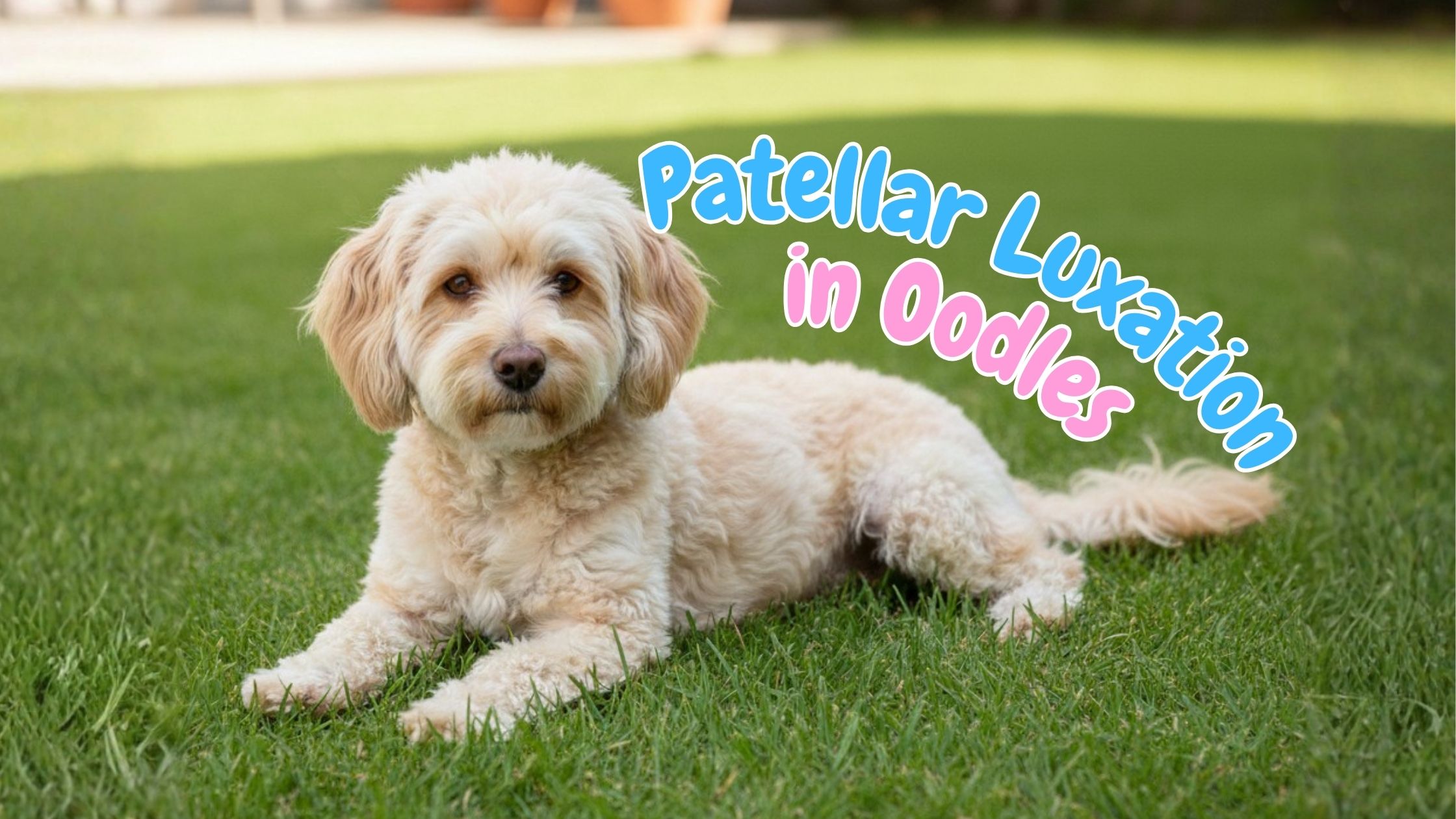
Understanding Patellar Luxation in Oodles: Causes, Symptoms, and Treatment Options
If you’re lucky enough to share your life with an Oodle you already know how special they are. But like all breeds, Oodles come with their own set of quirks and potential health issues. One condition that can be a concern for our fluffy friends is patellar luxation. Don’t worry; we’re here to break it down for you, so you can keep your Oodle happy and healthy!
What is Patellar Luxation?
The patella, or kneecap, is that little bone that sits in front of your dog’s knee joint. It’s essential for leg movement and stability. So, when it dislocates or moves out of its usual spot, that’s called patellar luxation. Imagine your Oodle trying to chase a squirrel, but their knee just isn’t cooperating, that’s the kind of frustration we’re talking about.Why are Oodles Prone to Patellar Luxation?
Genetic Factors: Oodles inherit unique traits from their Poodle and other parent breeds. Unfortunately, some of these can include predispositions to knee issues. If a Poodle has a history of knee problems, it’s likely those genes could pass down to their Oodle offspring.Size and Build: Many Oodles are small to medium-sized, which can lead to some imbalances in their knee structure. Imagine trying to balance a tiny ball on the edge of a table, it’s a bit wobbly, right? That’s similar to what happens with a small dog’s knees.
Ligament Weakness: Some Oodles might have ligaments that are a bit on the weaker side. This can make it easier for the patella to slip out of place. Think of it like a loose shoelace: it just doesn’t hold up as well!
Bone Structure: If the bones surrounding the knee aren’t shaped quite right, it can lead to patellar luxation. For instance, a shallow groove where the patella sits might not keep the bone snugly in place, making it prone to dislocation.
Symptoms of Patellar Luxation
Recognizing the signs of patellar luxation early can make a world of difference. Keep an eye out for:Limping or Lameness: This might come and go, or it could be a constant issue. If your Oodle seems to favour one leg, it’s time to investigate.
Skipping or “Bunny Hopping” Gait: You might notice your pup hopping around instead of running. This could indicate they’re trying to avoid putting pressure on an affected knee.
Pain or Discomfort: If your Oodle seems sensitive when you touch their knee or is less enthusiastic about playtime, they may be experiencing discomfort.
Swelling: Look for any unusual swelling around the knee joint. This could be a sign of inflammation, which often accompanies luxation.
Treatment Options
Now, let’s talk about what you can do if your Oodle is diagnosed with patellar luxation. Treatment can vary depending on how severe the condition is, and there’s hope no matter what!Conservative Management:
Weight Management: Keeping your Oodle at a healthy weight is crucial. Extra pounds can put added pressure on those precious knees. A balanced diet and regular exercise can help maintain their ideal weight.Physical Therapy: Just like us, dogs can benefit from physical therapy. Specialized exercises can strengthen the muscles around the knee and improve their overall flexibility.
Medications: Sometimes, a little help from anti-inflammatory medications can go a long way in reducing pain and swelling, making your pup more comfortable.
Surgical Options
Tibial Tuberosity Advancement (TTA): This surgery involves relocating the patellar tendon, helping to stabilize the patella more effectively. It’s a more involved procedure but can yield great results.Trochlear Groove Deepening: This surgery deepens the groove where the patella rests, preventing it from slipping out of place. It’s a common fix for this issue.
Lateral Release: If tight ligaments are the problem, this procedure can help release them, allowing the patella to move more freely.
Patellar luxation might sound daunting, but with the right knowledge and care, you can help your Oodle lead a happy, active life. Keeping an eye on their symptoms and working with your vet will make all the difference. Remember, your furry friend relies on you for their well-being, so stay informed, and don’t seek professional advice if you think your oodle could have issues.