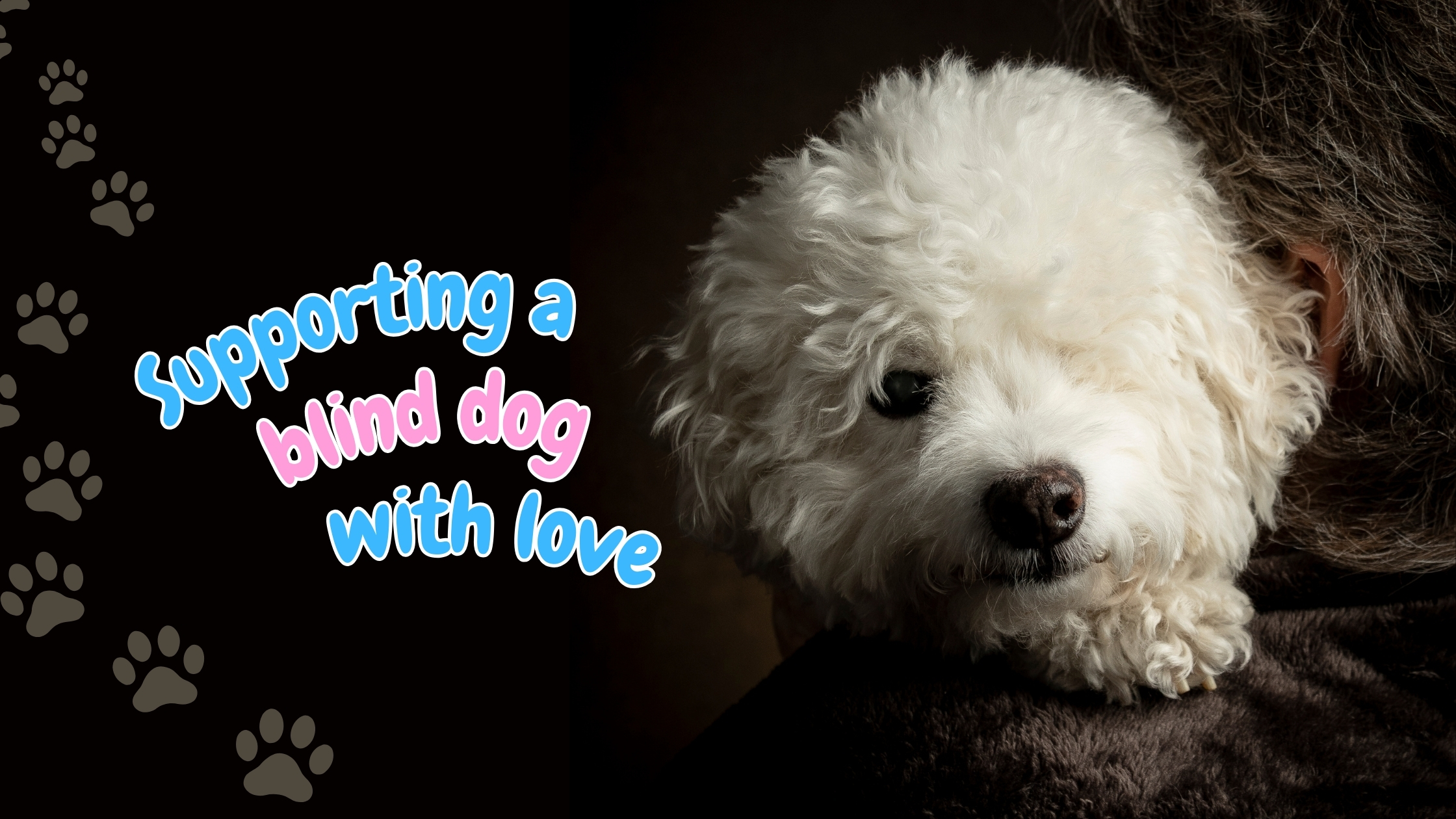
When the World Gets a Little Fuzzy: Supporting a Blind Senior Dog with Love
There’s something about a senior dog that feels extra special. The slower walks. The softer eyes. The deeper connection.
And then one day you notice it. Their eyes look cloudy and they behavior shifts. I have personally experienced this twice. First, with my boy Nike and now with my boy Neo. I have recently noticed changes with Neo and his behaviour and as part of our Hugo Health diagnosis, we discovered he has cataracts which explains his odd behaviour. It is heartbreaking when you see their confidence flail and the 2nd and 3rd guess in his decision to jump on the lounge or go through a door.
When I see him hesitate at the step he has walked a thousand times. When he misjudges the distance to the lounge. When it’s easier to sit on the floor then jump on the bed spot. Breaks my heart.
Hearing that your dog is losing their vision can feel heavy. But here’s what I want you to know straight away: blind dogs can still live beautiful, happy, confident lives. Especially our clever little small dogs and oodles.
At 3 Spoilt Dogs, we’ve cared for senior pups who’ve navigated vision loss with so much resilience and often far better than their humans initially expect.
Let’s talk about what’s happening, and how to support them gently and confidently.
Why Senior Dogs Lose Their Vision
Vision loss in older dogs is surprisingly common. Some of the most frequent causes include:
- Cataracts (cloudy lenses that block light)
- Nuclear sclerosis (a normal ageing change that makes eyes look cloudy)
- Glaucoma
- Progressive retinal atrophy (PRA)
- Untreated diabetes
If you’ve noticed cloudy eyes, increased anxiety at night, or bumping into objects, it’s always worth a vet visit. Some causes are treatable, others are manageable but knowing what you’re dealing with makes a big difference.
The Good News: Dogs Adapt Brilliantly
Dogs don’t rely on sight the way we do. Hearing is their strongest sense and in most cases, once they realise their vision has changed, they simply… adjust
They rely on:
- Scent
- Sound
- Memory
- Routine
Their sense of smell is extraordinary. Their hearing is sharp. And their internal “home map” is often better than ours. Our job is to make that adjustment feel safe.
10 Gentle Ways to Support a Blind Senior Dog
- Don’t Rearrange the Furniture: Consistency is everything. Keep furniture in the same place so they can memorise pathways.
- Create Clear Walkways: Remove clutter, baskets, or low obstacles they might bump into.
- Use Texture as a Guide: Different mats or rugs can help them identify spaces. Eg: Soft rug = lounge area, a smooth floor = hallway, door mat = exit
- Add Sound Cues: Use your voice more. Say their name before approaching.
If you have multiple dogs, a small bell on your other dog’s collar can help your blind pup follow them. - Block Off Stairs: Safety first. Use baby gates to prevent falls.
- Keep Food & Water in the Same Spot: Consistency builds confidence.
- Introduce Verbal Commands: Words like “step”, “careful”, or “slow” can become helpful cues over time.
- Scent-Based Enrichment: Switch to toys that squeak or carry scent.
Food puzzles that rely on smell rather than sight are brilliant for mental stimulation. - Night Lights: Soft lighting can help dogs with partial vision at dusk and overnight.
- Stay Calm: They take their emotional cues from you. If you’re relaxed, they’re more likely to be too.
What About Walks?
You don’t have to stop walking your senior dog but you may need to adjust.
- Use a shorter lead for better guidance
- Walk familiar routes
- Avoid crowded areas
- Watch for uneven surfaces
Many blind dogs still adore their walks. The smells alone make it worthwhile.
Emotional Changes to Watch For
Some dogs may show:
- Increased clinginess
- Startle responses
- Anxiety in new environments
- Reduced confidence
Be patient. Move slowly. Speak before touching them. Avoid surprising them from behind. Often, what looks like “anxiety” is simply uncertainty and reassurance goes a long way.
When You’re the One Struggling
It’s okay to feel sad. Vision loss can feel like another reminder that your dog is ageing. But blindness is not the end of joy. Many blind dogs:
- Still play
- Still eat with enthusiasm
- Still greet you at the door
- Still nap in their favourite sun spot
Their world might look different but it’s still full of smell, sound, comfort, and love.
Blind Dogs at Daycare or Boarding
Over the years we have had many seniors and vision-impaired pups. We adjust their care accordingly to help them feel safe and secure.
- We initially keep them in a calmer space so they can adjust and become familiar with it.
- We supervise them closely
- We separate high energy dogs that want to jump on them or engage in rougher play
- Showing them where they can access fresh water
- Giving them extra reassurance and gentle handling
- Lots of extra cuddles
Blind dogs don’t need pity, they need understanding and thoughtful management.
The Most Important Thing
Your dog doesn’t know they’ve “lost something.” They only know:
- You’re still there.
- Their bed still smells like home.
- Dinner still arrives.
- Your voice still means safety.
And honestly? That’s what matters most.
If you’re navigating vision changes with your senior pup and need guidance or care options, we’re always here to chat. Our older spoilt dogs deserve just as much love — just with a few thoughtful adjustments.
Because growing older doesn’t mean growing less joyful.